
This article is for educational purposes only. It discusses national trends and should not be considered investing advice for any specific person. Talk to a loan officer or a Realtor for customized advice.
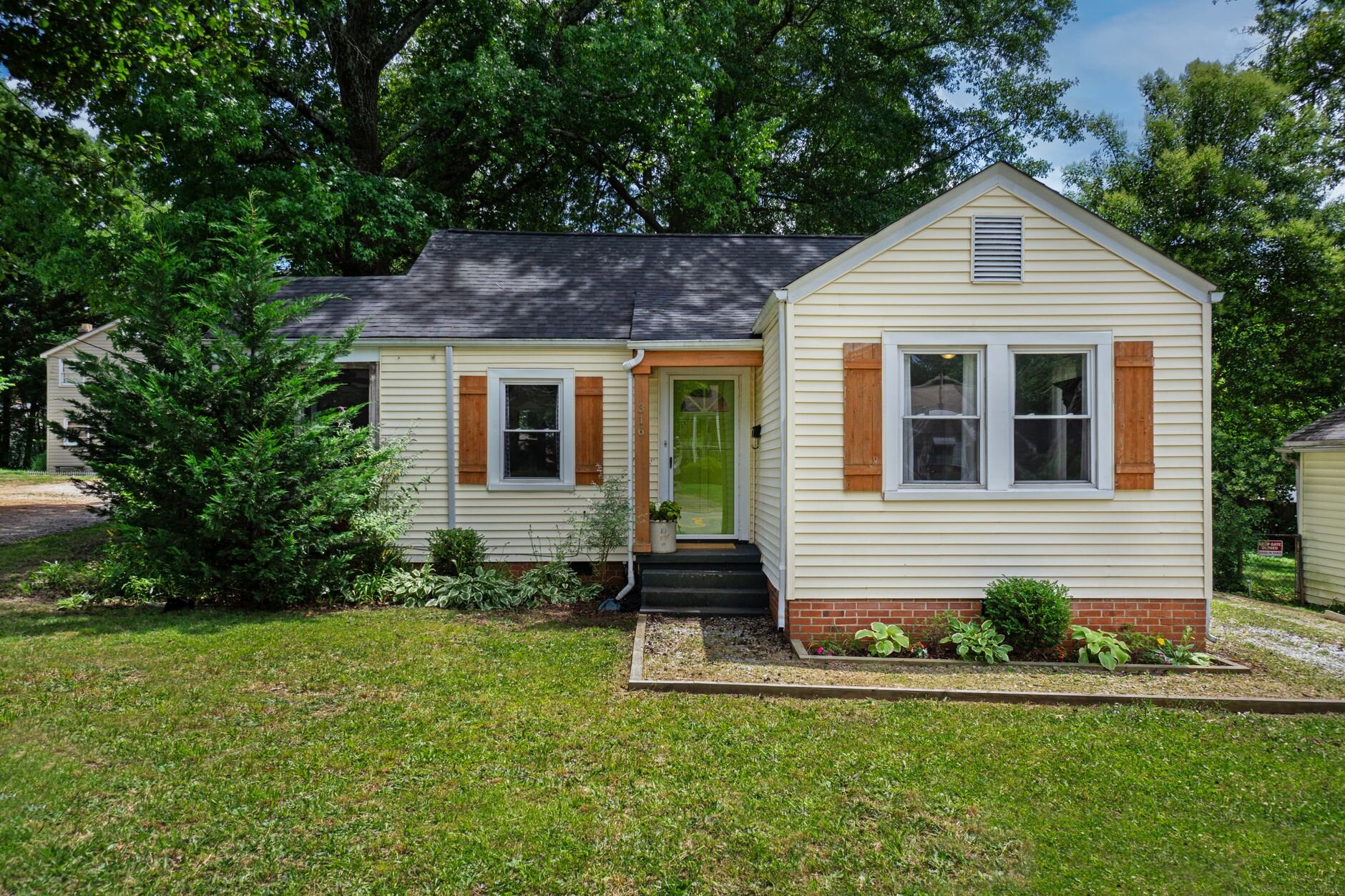
The housing market's summer slowdown is opening a real window for first-time buyers. Pending home sales fell to their lowest level of 2026 in July, and investor purchases dropped to their lowest level since 2020, according to Redfin.
This cooling market has several causes. Even the new federal restrictions on large institutional buyers could be a factor.
Whatever the reason, less competition for entry-level homes can help first-time buyers enter the market, especially buyers who have their financing in order.
...in as little as 3 minutes — no credit impact
The market is slowing down, and that changes who you're competing with
Two data points tell the story of this summer's housing market. Pending home sales, defined as signed contracts that haven't closed yet, fell to their lowest level of 2026 in July, according to the National Association of Realtors. At the same time, home-purchase contract cancellations climbed to a multi-year high, with roughly 1 in 7 signed contracts falling through, per Redfin.
This data points to two things for a new buyer:
- more homes are staying on the market longer
- sellers who've already seen one deal fall apart becoming more motivated to work with the next serious offer.
Neither of these things was true during the bidding-war years of 2021 and 2022, when homes routinely sold within days, often above asking and with contingencies waived entirely.
Of course, none of this guarantees an easy purchase, but it does mean the seller has less leverage than they did a year or two ago.
Investors are pulling back, especially from the homes first-time buyers want
A structural shift seems to be happening among investors. Investor home purchases fell to their lowest level since 2020, according to the Redfin data. This drop was tied to a combination of a cooling market, tighter investor economics, and a new federal law.
In July, the 21st Century ROAD to Housing Act took effect, restricting large institutional investors from acquiring as many single-family homes going forward.
The law defines institutional investors as entities controlling 350 or more single-family homes. Investors in this category typically make up about 1% of total single-family purchases nationally, per Realtor.com.
This doesn't sound like a lot, but they often concentrate in specific metros and price points, and their buying activity pulled back sharply once the new policy direction became clear.
The more immediate effect for a first-time buyer is simpler: fewer all-cash, no-contingency offers competing for the same entry-level homes. Investor competition hasn't disappeared, but the pool of competing buyers for a typical starter home has thinned out.
For anyone who's lost a bid to a cash offer, seller concessions that weren't on the table before are increasingly back in play.
Starter homes specifically are seeing price cuts and rising inventory
The clearest sign this shift is landing where first-time buyers actually shop: the data splits sharply by price point. About 25% of starter-home listings saw a price cut in June, compared with roughly 21% of luxury listings, according to Zillow. Starter-home inventory rose 4.5% year over year in the same period, even as starter-home sales fell 5.4%.
Luxury homes are moving in the opposite direction, with inventory down and sales up, which points to a market that's splitting rather than slowing uniformly.
Buyers with more cash on hand are still moving quickly at the top of the market. It's the entry-level segment, where most first-time buyers are shopping, where sellers are cutting prices and inventory is piling up.
That distinction matters. National housing headlines often blend every price tier into one number, which can make the market sound worse or better than it actually is for any individual buyer.
If you're shopping for a starter home, the segment-specific data is more useful than the national average.
...in as little as 3 minutes — no credit impact
What this actually means if you're buying your first home
First-time buyers made up just 21% of all home purchases in NAR's most recent generational trends report, the lowest share since NAR began tracking in 1981. Rates remain elevated compared to the ultra-low-rate years, and affordability pressure hasn't disappeared just because competition has eased.
What has changed is the negotiating dynamic for buyers who can qualify:
- More room to ask for concessions. Seller credits toward closing costs, repairs, or a temporary rate buydown are more likely to be accepted in a slower market than during a bidding war. If a lower monthly payment matters more to you than cash at closing, it's worth knowing how to ask a seller to buy down your rate.
- Contingencies are more likely to be accepted. An appraisal contingency or inspection contingency that a seller might have rejected outright in 2021 is a more realistic ask now.
- More time to make a decision. Homes sitting on the market longer means less pressure to waive due diligence just to compete.
- Down payment assistance is still worth exploring. If saving a full down payment is the barrier, down payment assistance programs exist independently of these market conditions and are worth checking regardless of timing.
How to actually use this window
A slower market with less competition helps only if you're positioned to act on it. A few concrete steps:
- Get pre-approved before you start touring homes seriously. In a market where sellers have more time to evaluate offers, a verified pre-approval — not just a pre-qualification — signals you're a serious, financeable buyer.
- Budget with real numbers, not list price alone. Better's mortgage calculator can help you see what a specific price point actually costs monthly, including how a seller-funded rate buydown would change that number.
- Know what to ask for before you're in a negotiation. Deciding in advance whether you'd rather have a lower price, closing cost credit, or rate buydown makes it easier to negotiate effectively when an opportunity comes up.
- Don't wait indefinitely for rates to drop. Rate forecasts have been wrong more often than right over the past two years. If the current combination of price and competition works for your budget, waiting on a rate cut that may not materialize carries its own risk.
If you're new to the process end to end, Better's guide to the steps of buying a house walks through what comes after pre-approval.
...in as little as 3 minutes — no credit impact
Frequently Asked Questions
I can only afford a starter home under $300,000. Is this the market segment that's actually easing up?
Yes, the data splits by price tier. Starter homes are seeing more price cuts and rising inventory, while luxury homes are seeing the opposite.
Is a slower market actually better for a first-time buyer than a hot one, or is that just spin?
For a buyer who can qualify for financing, yes, a slower market generally means less pressure to waive contingencies, more room to negotiate, and more time to decide. It doesn't fix affordability broadly, but it changes the negotiating dynamic in the buyer's favor.
If home prices are cooling, should I just wait for them to drop further before buying?
That depends on your timeline and risk tolerance. Rate and price forecasts have frequently missed the mark over the past two years, and waiting indefinitely means potentially missing a window where competition is already reduced.
Does the new law banning big investors from buying homes actually change anything for regular buyers?
It's changed investor behavior faster than expected. Institutional buying activity pulled back sharply once the policy direction became clear. But institutional investors were always a small share of total purchases (about 1% nationally), so the bigger driver of reduced competition is the broader market slowdown, not the law alone.
What should I ask a seller for now that I have more negotiating room?
Common options include a credit toward closing costs, repair credits identified during inspection, or a seller-funded temporary rate buydown. Which one makes sense depends on whether your bigger constraint is cash at closing or your monthly payment.
First-time buyers are at a record low share of purchases. Doesn't that mean the market is still bad for me?
That statistic reflects the past year overall, and it's a real constraint. But it doesn't cancel out the more recent shift in competition and starter-home pricing. Both things are true: the market has been historically difficult for first-time buyers, and current conditions in the entry-level segment are more favorable than they were a year ago.
Is it better to buy now in a slower market or wait for rates to drop?
There's no universal answer. Buying now means dealing with today's rates but less competition; waiting means hoping for lower rates that may or may not materialize, potentially into a market where competition has picked back up.
The bottom line
Let's be clear. This isn't a claim that homebuying has suddenly become easy. Rates are still elevated, and first-time buyers remain a smaller share of the market than at almost any point on record.
But the specific combination of a slower market, a sharp pullback in investor competition, and starter-home-specific price cuts is a real, data-backed shift, and it's landing in the neighborhoods where first-time buyers shop.
If you've been sitting out because of competition from cash buyers or bidding wars, this is a reasonable moment to check where you actually stand.
...in as little as 3 minutes — no credit impact
Market data referenced in this article is sourced from the National Association of Realtors, Redfin, Zillow, and Realtor.com, as cited. This article is for informational purposes only and is not an offer to lend.